Understanding Blood Groups: Key Facts and Details
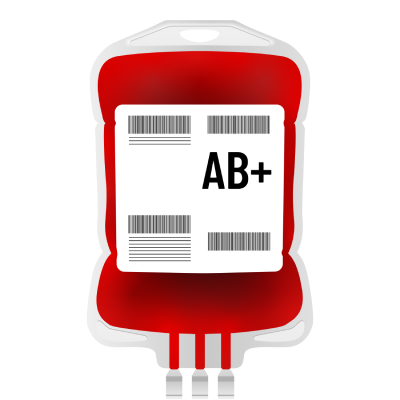
There are four major blood groups determined by the presence or absence of two antigens, A and B, on the surface of red blood cells. In addition to the A and B antigens, there is a protein called the Rh factor, which can be either present (+) or absent (-), creating the 8 most common blood types (A+, A-, B+, B-, O+, O-, AB+, AB-).
Blood Types and Transfusion
For a successful and safe blood transfusion, it's essential to match blood types precisely. The correct match can be life-saving. Learn how blood types interact using our interactive guide below.
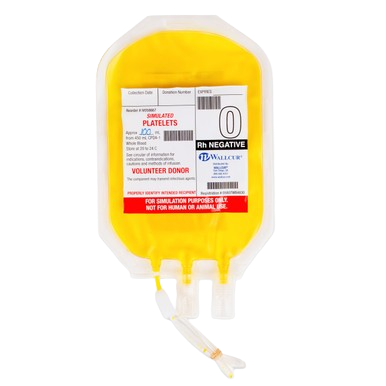
AIf you have Rh-negative blood, you can only receive Rh-negative blood. However, individuals with Rh-positive blood can receive either Rh-positive or Rh-negative blood. Note that the rules for plasma transfusions are the opposite.
- Universal Red Cell Donor: People with Type O negative blood are considered universal red cell donors.
- Universal Plasma Donor: People with Type AB blood are considered universal plasma donors.
The Benefits
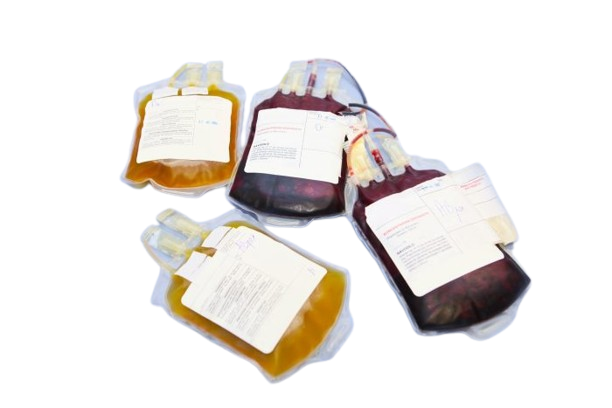
Your Blood Matters More Than You Think! You've probably heard how much blood is needed every day, right? And you know your donations make a real difference. When you give whole blood, you're sharing red cells, platelets, plasma, and white cells. Thing is, red cells are used the most – like, a lot. If you're eligible, there's this cool thing called "automated donation" where you can safely give twice the red cells in one go. It's just as safe as a regular donation, but you're giving twice the help!
What's the Difference, Though?It's a bit different from a regular donation. They use a machine that takes your blood from one arm, separates out those precious red cells (two units!), and then gently puts the rest – platelets, plasma, everything else – back in, with a little saline to keep you hydrated.
Supercharge Your Donation (and Save Time!)If you're super busy, but still want to donate, and you're lucky enough to be type O, A negative, or B negative, this automated thing is perfect! You're giving double the red cells, which is what hospitals need the most. It takes about 30 minutes longer than a regular donation, but you only need to do it every four months.
Feel Good, Inside and Out!Because they put back all the liquid stuff, you might even feel more hydrated afterwards. It's like a little boost for you, while you're giving a huge boost to someone else.